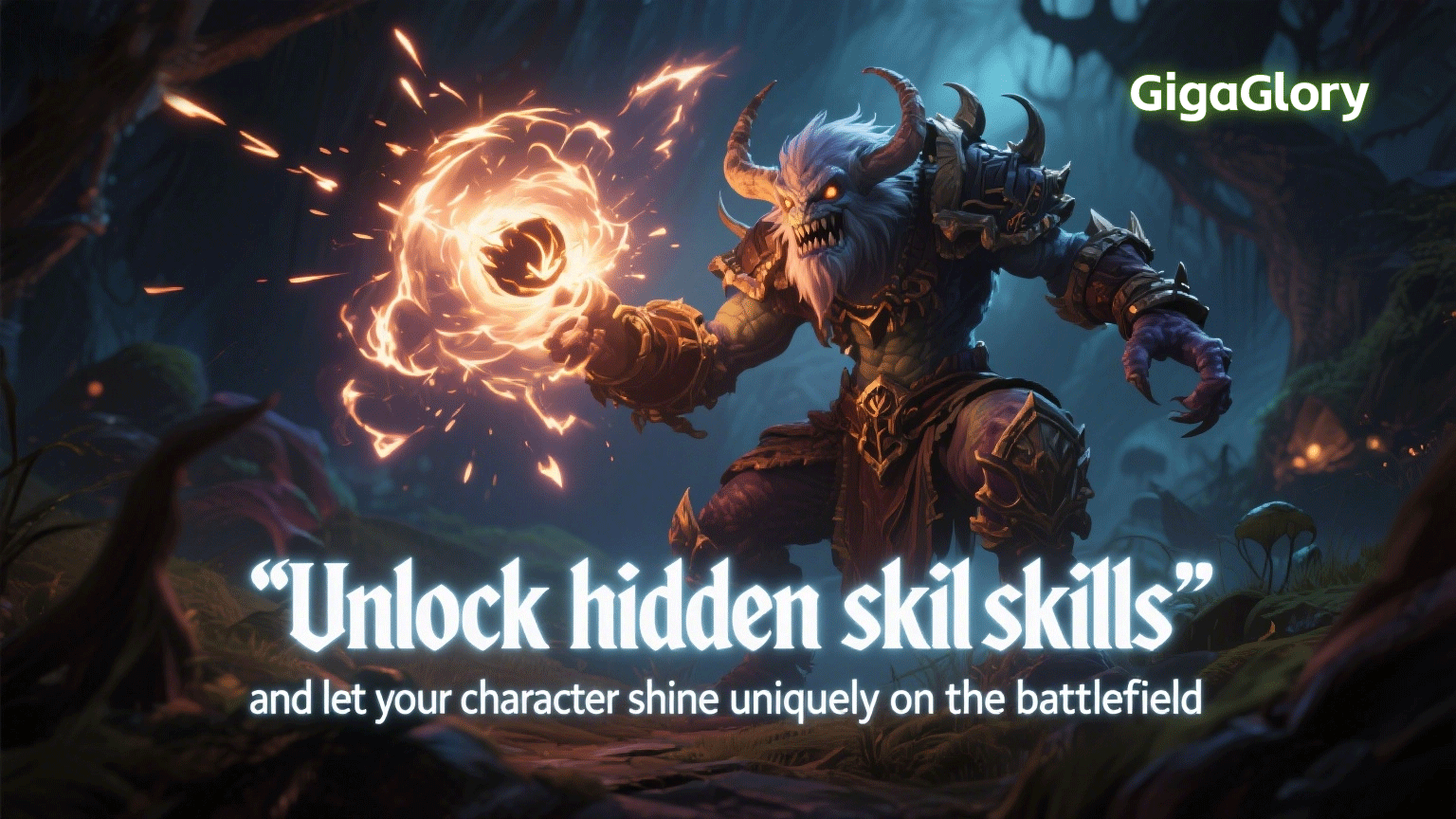
From Casual Fun to Strategy Mastery: The Rise of Simulation and Incremental Games
Gaming has evolved significantly over the years. What started as a simple pastime has blossomed into a multi-faceted industry that encompasses a variety of genres. One particularly interesting trend is the rise of simulation games and incremental games. These games offer players a chance to explore new worlds and hone their strategies, making them more than just casual fun.
The Emergence of Simulation Games
Simulation games allow players to recreate real-world scenarios or explore fantastical landscapes. They can range from simple farm simulators to complex city-building games. The appeal lies in their ability to immerse players in a virtually limitless environment. Some key characteristics include:
- Realism: Many simulation games strive for lifelike physics and mechanics.
- Creativity: Players can build, design, and manage according to their preferences.
- Complexity: They often include intricate systems that require strategic thinking.
Incremental Games Take Center Stage
In parallel with simulation games, incremental games have also grown in popularity. These games focus on small steps that accumulate over time, leading to substantial growth. Players engage in simple tasks that yield exponential rewards, making it highly addictive. Some characteristics include:
- Progression: Incremental gain motivates players to keep coming back.
- Simplicity: Simple mechanics often attract a broader audience.
- Rewarding Feelings: Players enjoy the satisfaction of seeing their “empire” grow.
The Intersection of Genres
As both genres have developed, they have begun to intersect. Many modern games utilize strategy elements that tie into simulation and incremental frameworks. For example, consider how simulation games have started to incorporate incremental growth systems, enhancing user engagement. Let’s take a look at how these genres benefit from each other:
| Aspect | Simulation Games | Incremental Games |
|---|---|---|
| Player Engagement | High due to interaction | High due to ongoing progression |
| Complexity | Moderate to High | Low to Moderate |
| Real-world Applications | Numerous scenarios | Limited but impactful |
Challenges Faced by Players
Even with their growing popularity, players face challenges in both simulation and incremental games. Issues like loading back into hunt match after game crash can deter enjoyment. Technical glitches can ruin the gaming experience. Here are some common issues:
- Long loading times after crashes
- Loss of in-progress achievements
- Frustration with limited saves
Soggy Potato Games: A Unique Case Study
The existence of quirky developers, such as those behind soggy potato game s, highlights the creativity within this genre. Their games often mix absurd humor with strategy, appealing to a niche but dedicated audience. Exploring how these elements come together can provide insight into future gaming trends.
The Future of Simulation and Incremental Games
Analytics show that the popularity of simulation and incremental games will continue to rise. Developers are integrating new technologies like virtual reality and artificial intelligence, leading to more immersive experiences. Furthermore, gamers are increasingly looking for games that offer both fun and strategic depth.
- Expect more hybrid games combining different genres.
- AI will enhance game intelligence and responses.
- Player communities will drive content creation.
Conclusion
From their casual roots to sophisticated gameplay, simulation and incremental games have proven themselves as more than just a fad. They offer unique experiences that attract various audiences, paving the way for future innovations in the gaming industry. As players navigate the challenges and rewards these genres offer, the possibilities appear limitless for what lies ahead.